
 4.7
4.7

How Do Vaporizers Work? (The Short Answer)
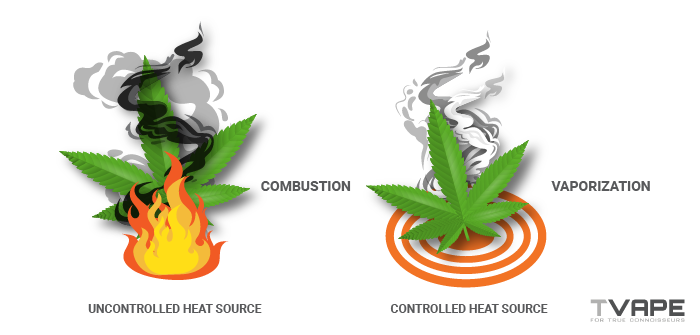
How are Conduction and Convection Vaporizers Different?
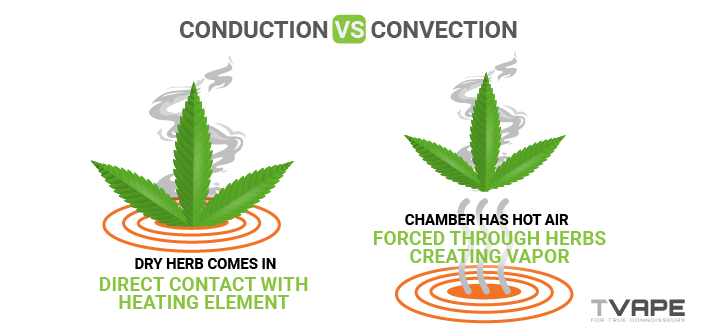
The Science: Conduction vs. Convection Vaporization
How Does a Conduction Vaporizer Work?
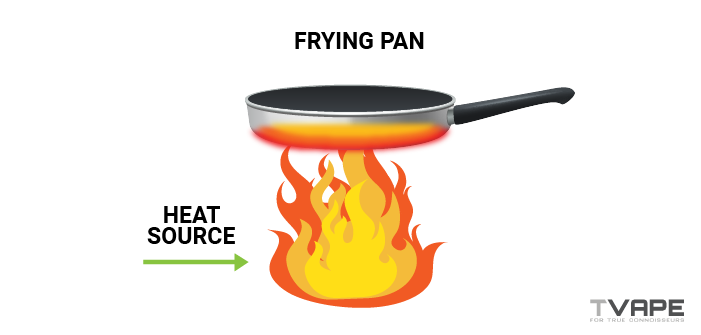
Conduction vaporizers will most commonly use battery powered heating chambers – think of the Zeus Arc S Hub or the Pax Plus. You load your dry herb directly into the chamber, and when the chamber heats up, your dry herb heats up, releases the oils, and voila, vapor!
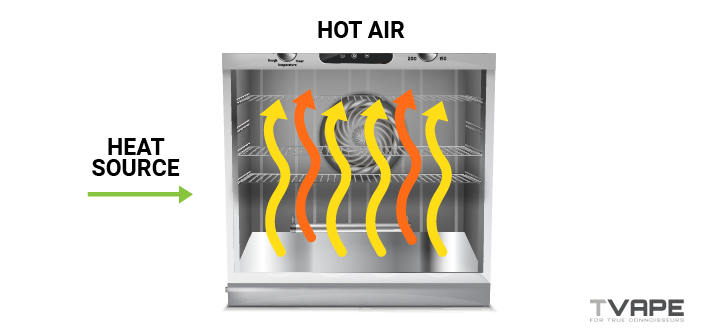
How Does a Convection Vaporizer Work?
Pros & Con’s Of Conduction & Convection Vaporizers
Conduction Vaporizers: More Portable & Efficient Battery Life
Pros of Conduction Vaporizers
- Smaller Footprint
- More efficient; battery will typically last longer
- Good vapor quality
- Generally simpler to use
Cons of Conduction Vaporizers
- Possibility of uneven vaporization
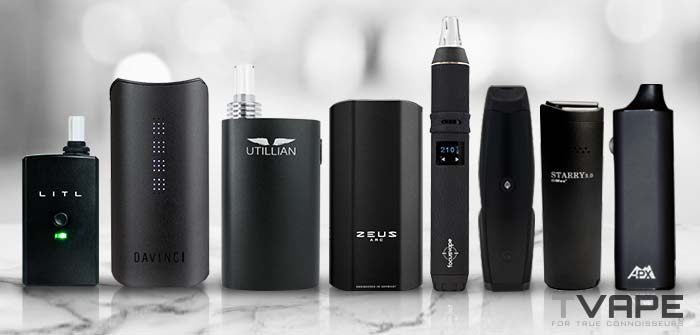
Conduction vaporizers are considered to be less efficient in vaporizing, since dry herb that is not directly touching the heating element can be unevenly vaporized.
Though this can be fixed by gently stirring your dry herb every so often to ensure every part of your batch gets equal “heat attention,” the dry herb directly in contact with the heating element will be at a higher risk of being over-heated, hence lowering the vapor quality.
The vapor quality of a conduction vaporizer is good, however, and if you stir your dry herb during a session, it will have no trouble extracting all of the essential oils from your herb to deliver you a quality session. Its also much faster at heating up then convection vaporizers.
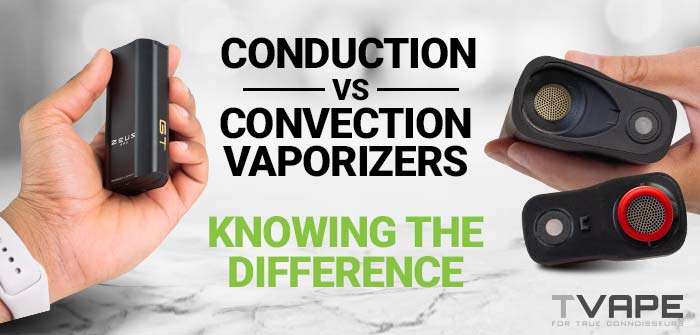
Conduction vaporizers do not need as much space to generate heat and therefore are significantly smaller than convection units. The above Zeus Arc is one of the smallest vaporizers available, but can still put out big clouds.
Conduction units are also generally much simpler to use, as there is one less step in the heating process. Conduction allows for more efficient use of energy and these units generally last longer before the battery needs to be charged.
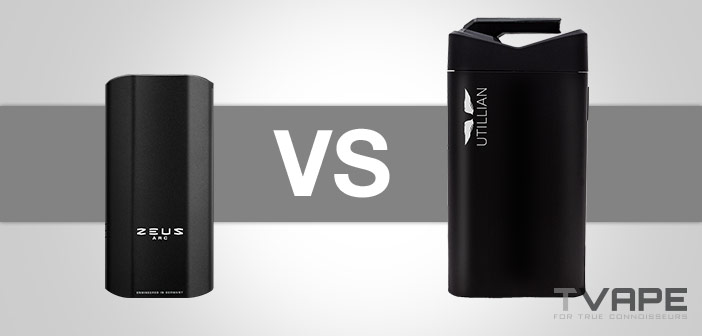
Good examples of conduction vaporizers are the already mentioned and depicted Zeus Arc GT3, which is super portable, has a gold vapor path and some fantastic vapor quality.
Convection Vaporizers: Better than Conduction?
Pros of Convection Vaporizers
- Better vapor quality
- Better flavor
- Better Airflow
Cons of Convection Vaporizers
- Larger & Bulkier
- Typically more expensive
- Generally harder to use
- Battery typically will not last as long
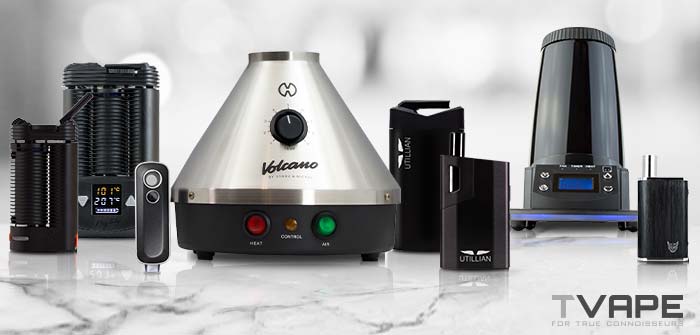
Convection vaporizers are a tricky customer. The only real thing that they boast is better vapor quality and better flavor, but at the end of the day, that’s really the biggest thing you want in a vaporizer.
It does come at a price though, a larger footprint is needed because convection needs extra space to generate hot air. And this need to generate hot air results in a a higher energy cost to the battery. Also convection vaporizers tend to be more expensive, but their cost has come down in recent years, with the Utillian 621 being one of the most affordable convection vaporizers to date.
That being said, the vapor quality of convection devices is typically outstanding, because of the ability to evenly cook your dry herb.
Of course, a lot of your experience is going to come down to the quality of the dry herb product you have, but a good convection device can make a world of difference in terms of flavor and vapor quality.
You can’t talk about convection vaporizers without mentioning Storz & Bickel. Their iconic Volcano reigns as the best convection vaporizer and even the best desktop vape on the market – and since it’s inception 20 or so years ago, they have taken their technology and shrunken it down into two awesome portables, the Crafty + and the Mighty Plus. Although in today’s market, newer devices are also mixing both heating methods while still using primarily convection. Units like the Arizer Solo 3 or Tronian Milatron are great examples.
Both of these devices are ranked as some of the best convection vaporizers on the market.
Conclusion – Should you get a Conduction or Convection Vaporizer?
There are a lot of vaporizers on the market and ultimately it is up to you to decide which heating style fits your needs. Personally, I keep one from each category because it is nice to have options.
Conduction vaporizers shine when you are on the go. They are compact, heat up quickly, and slip easily into a pocket or bag which makes them great travel companions.
Convection vaporizers often work best at home. They tend to be bulkier, less discreet, and better suited for longer, more relaxed sessions. In return, they reward you with rich vapor quality and efficient extraction.
Just like with cooking, using the same method every time can become repetitive. Switching things up keeps your sessions fresh and enjoyable.
With so many devices to choose from, the key is to do your research and find the right fit for your lifestyle.
We hope you enjoyed our Conduction vs. Convection breakdown. Feel free to share your thoughts in the comments and you can even post anonymously if you prefer. Thanks for reading, and as always, keep vapin’.